

Returning to sport after injury is not a piece of cake. Missing your sport is its own kind of frustrating. Maybe you’re watching your team train without you. Maybe you’re scared to push too hard in case you set yourself back again. Or maybe you’ve been told to “just rest it” and you’re still not sure what that actually means for getting back out there.
You’re not being impatient. Wanting to get back to the game you love is normal. The question isn’t whether you should return, it’s how to do it in a way that actually holds up.
Why Rest Alone Doesn’t Get You Back on the Field
Rest has a place early on. But too much rest for too long can leave you weaker and less confident than before you got hurt. Your muscles, joints, and nervous system all need load to rebuild capacity. Without it, the body that felt strong before your injury simply isn’t ready for the demands of sport again.
This is why so many people in Lake Macquarie feel stuck between two bad options: pushing through pain and risking another setback, or resting so long they lose fitness and confidence. There’s a better path in the middle.
What a Safe Return to Sport Actually Looks Like
A good return to sport isn’t a straight line back to where you left off. It’s a build, step by step, matched to what your body can handle right now.
At Coastline, that usually looks like:
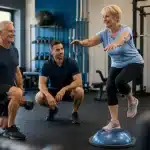
Assessing where you’re actually at, not just where the injury was, but your overall strength, movement, and confidence
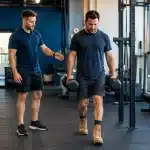
Loading progressively, starting with movements that mimic your sport in a controlled way, then building intensity
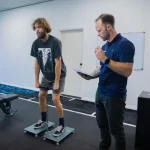
Testing before returning, using objective measures rather than guesswork, so you and your exercise physiologist both know your body is ready for the next step
Adjusting as you go, because a return to sport plan should change based on how your body responds, not stay fixed to a generic timeline
This approach helps you rebuild the specific strength, movement patterns, and confidence your sport demands, so getting back out there feels solid, not like a gamble.
Part of a good return to sport program is rebuilding trust in your body, one controlled rep, one drill, one training session at a time.
How Coastline Supports Your Return
Our exercise physiologists in Glendale and Williamtown use VALD technology to track your strength and movement with real data, so decisions about your return are based on how your body is actually performing, not just how many weeks have passed. Whether you’re getting back to weekend football, netball, boxing, or just want to move through daily life and family activities with confidence again, we build a plan around your sport and your body.
Frequently Asked Questions
How long does it take to return to sport after an injury?
It depends on the injury, the sport, and how your body responds to loading. Rather than a fixed number of weeks, we assess your strength and movement regularly and progress your program based on what your body shows us.
Do I need to be completely pain free before I return to sport?
Not necessarily. Pain and readiness to return aren't always the same thing. Your exercise physiologist can help you understand what level of discomfort is safe to work through and what signals you should hold back on.
Can an exercise physiologist help with return to sport, or is that a physiotherapist's job?
Exercise physiologists specialise in prescribing and progressing exercise to rebuild strength, movement, and function. Many people work with an EP specifically for the strength and conditioning side of returning to sport, alongside or after other treatment.
What sports do you help people return to?
We work with people returning to a wide range of sports and activities, from team sports like football and netball, to individual training like boxing, running, or general fitness.





Contact US
Helping you rebuild strength across Lake Macquarie, Newcastle, & Port Stephens.
- 2/545 Main Rd, Glendale NSW 2285, Australia
- 02 7226 9384
- 2 Technology Pl, Williamtown NSW 2318, Australia
- +61 2 4989 5151